No. 01
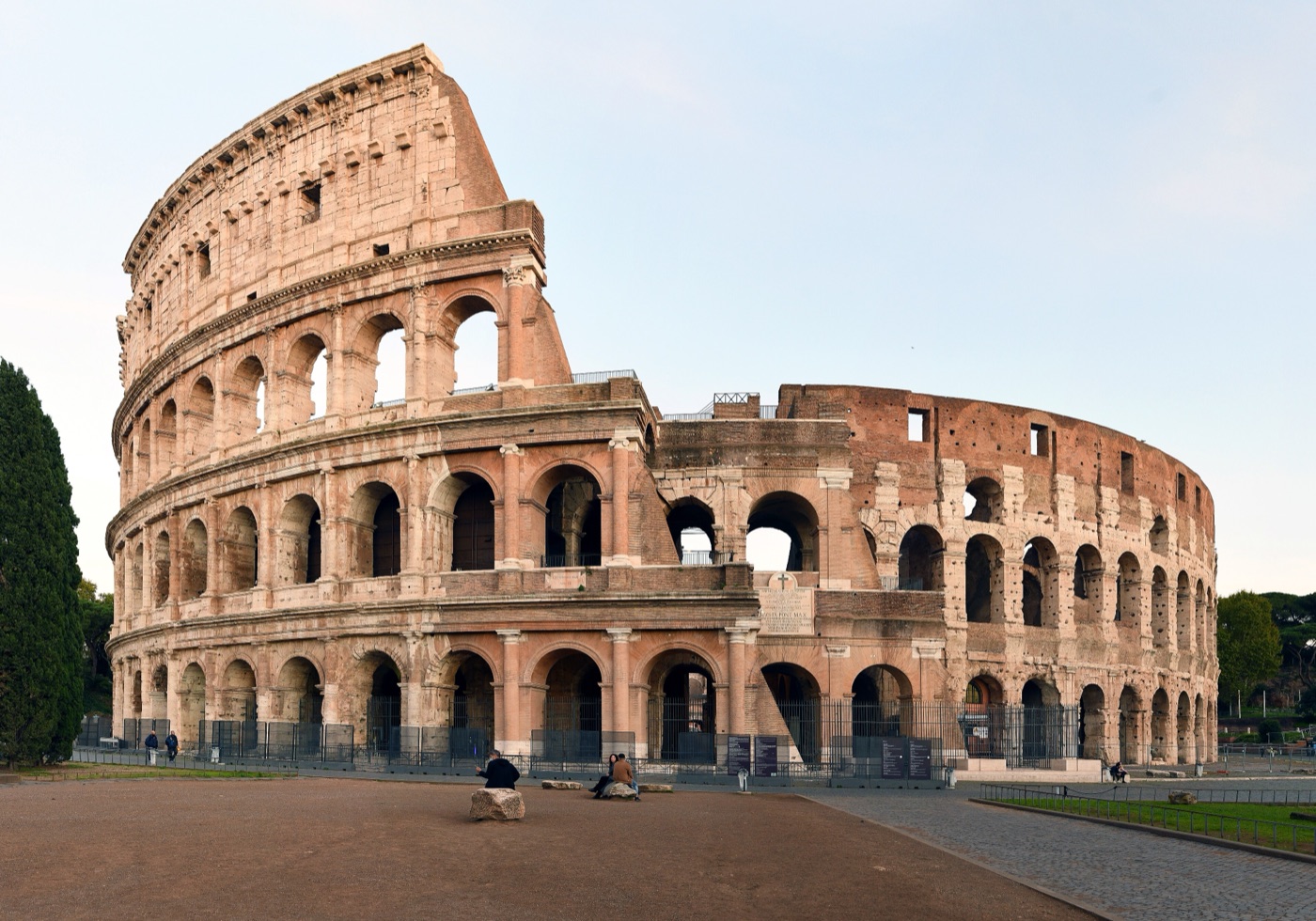
The Colosseum
The big one. Two thousand years old, built for 50,000 spectators and the occasional staged sea battle — stand inside and it still feels like the crowd just left. Book a timed ticket ahead; it bundles the Forum next door.
Una Piccola Guida
The greatest hits, and the side quests only the locals seem to know. Everything on this page is worth your feet.
Rome doesn't do subtle. Every corner is either two thousand years old, covered in gold, or serving the best thing you've eaten all year — usually all three.
Part One
Famous for a reason. Yes, there will be crowds — go anyway, and go early.
No. 01
The big one. Two thousand years old, built for 50,000 spectators and the occasional staged sea battle — stand inside and it still feels like the crowd just left. Book a timed ticket ahead; it bundles the Forum next door.
No. 02
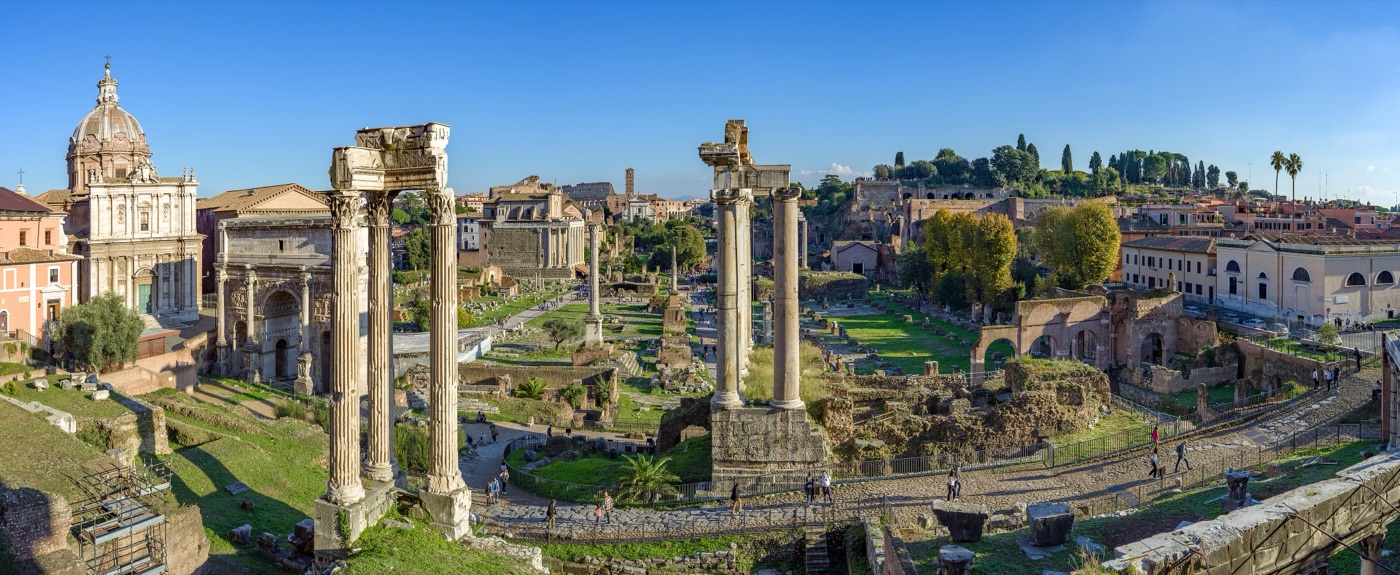
Downtown, ancient edition — temples, triumphal arches, and the Senate house where the empire ran its errands. Climb the Palatine above it for umbrella pines and the best "this is actually real" view of the ruins.
No. 03
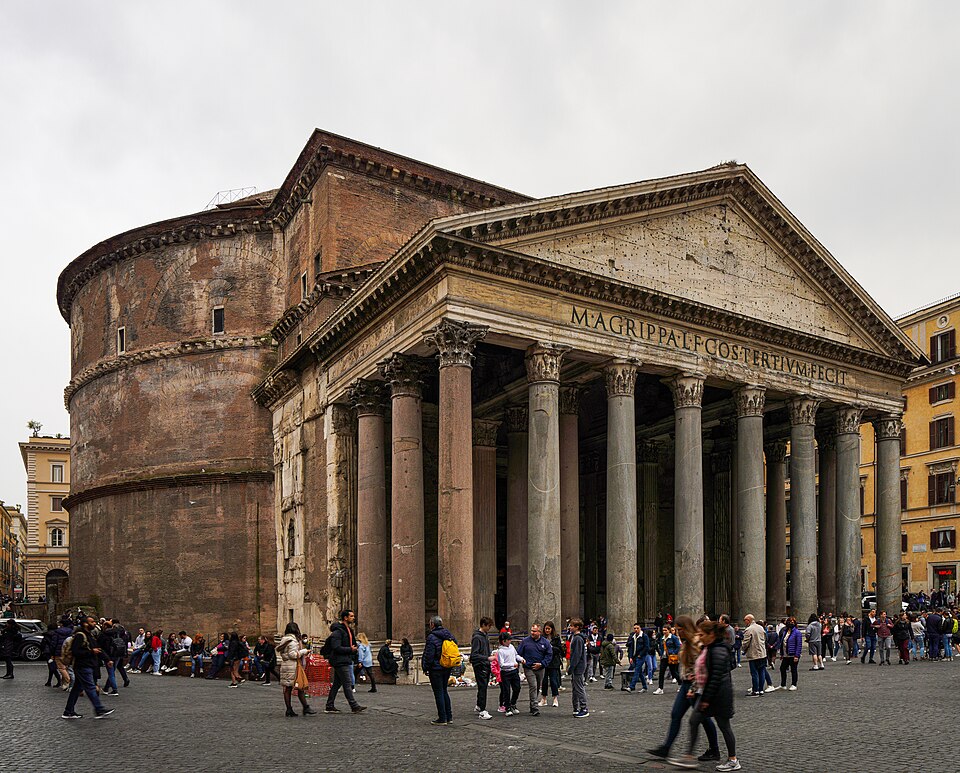
The best-preserved building of ancient Rome: a 1,900-year-old concrete dome with a hole in the top, open to the rain. Raphael is buried inside. When a shaft of sun sweeps the floor, the whole room goes quiet.
No. 04
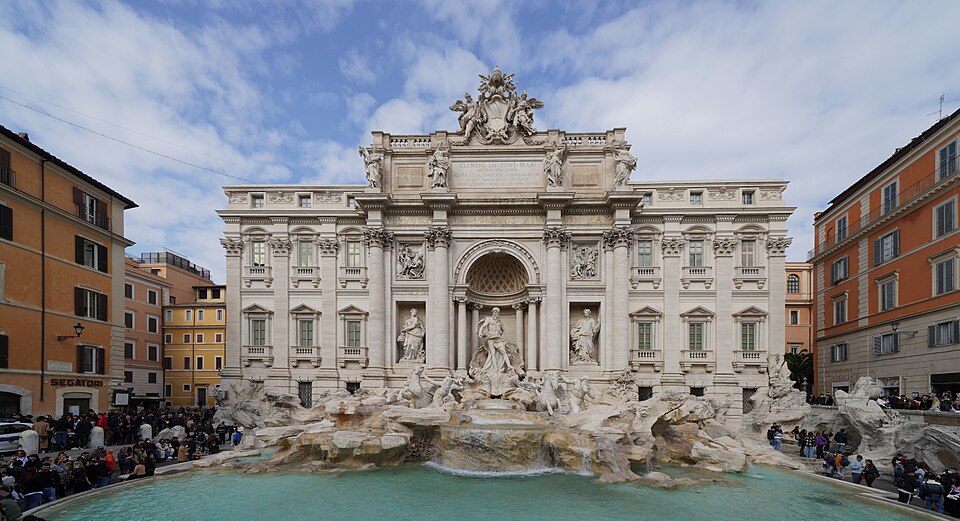
Baroque theatre with a water feature the size of a palace wall. Toss a coin over your left shoulder with your right hand and Rome guarantees you a return trip. Go before 8 a.m. — by ten, the crowd is part of the show.
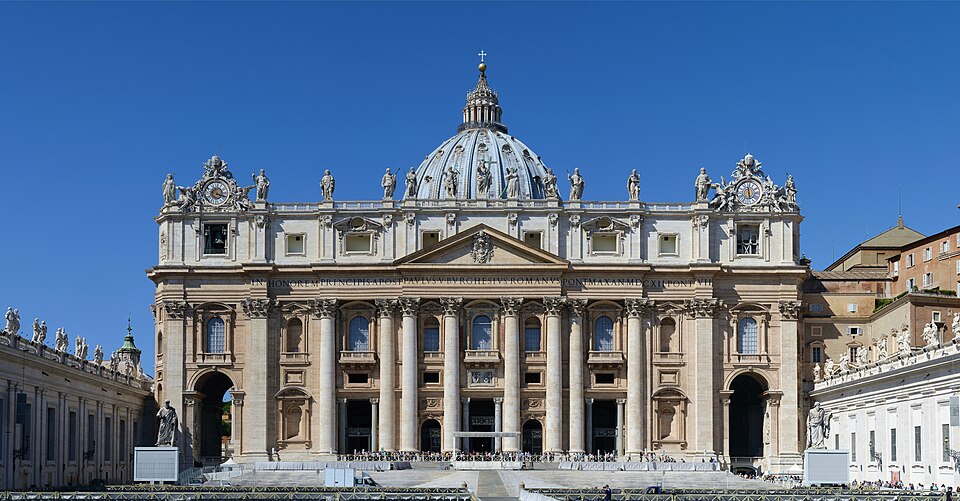
No. 05
The largest church on earth and home to Michelangelo's Pietà. Entry is free (shoulders and knees covered); the move is climbing his dome — 551 steps, elevator for the first stretch — for all of Rome at your feet.
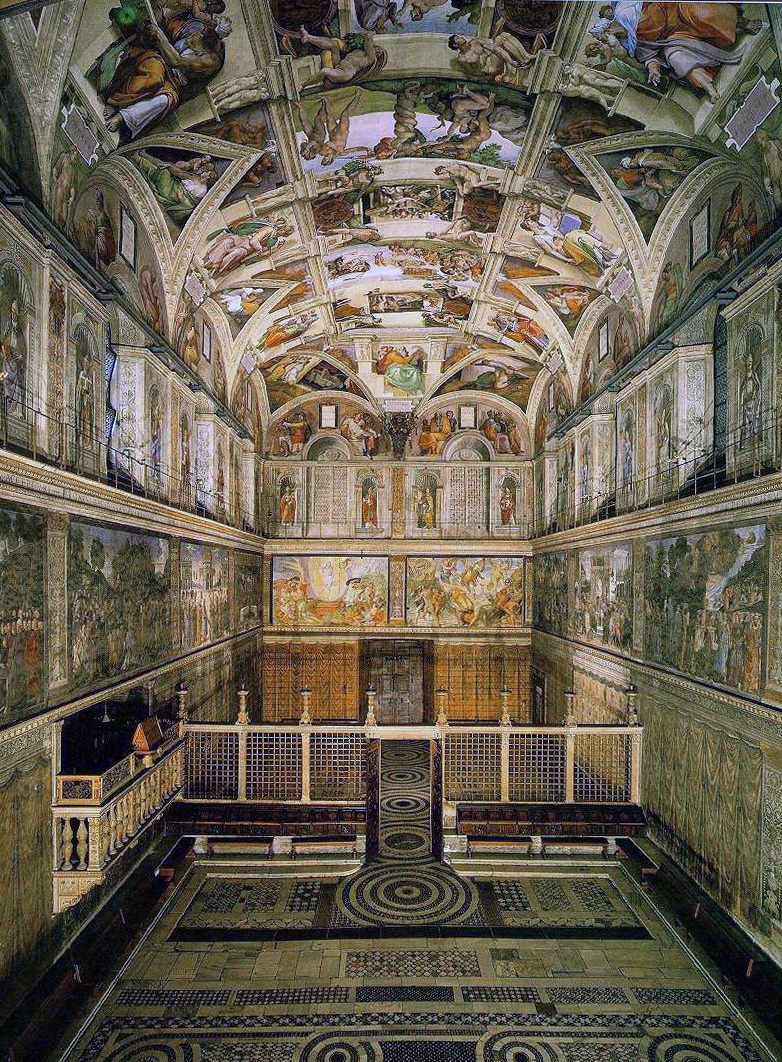
No. 06
Nine miles of art stand between you and Michelangelo's ceiling — the Raphael Rooms and the hall of maps among them. Book skip-the-line tickets and save your neck for the finale. No photos in the chapel; just awe.
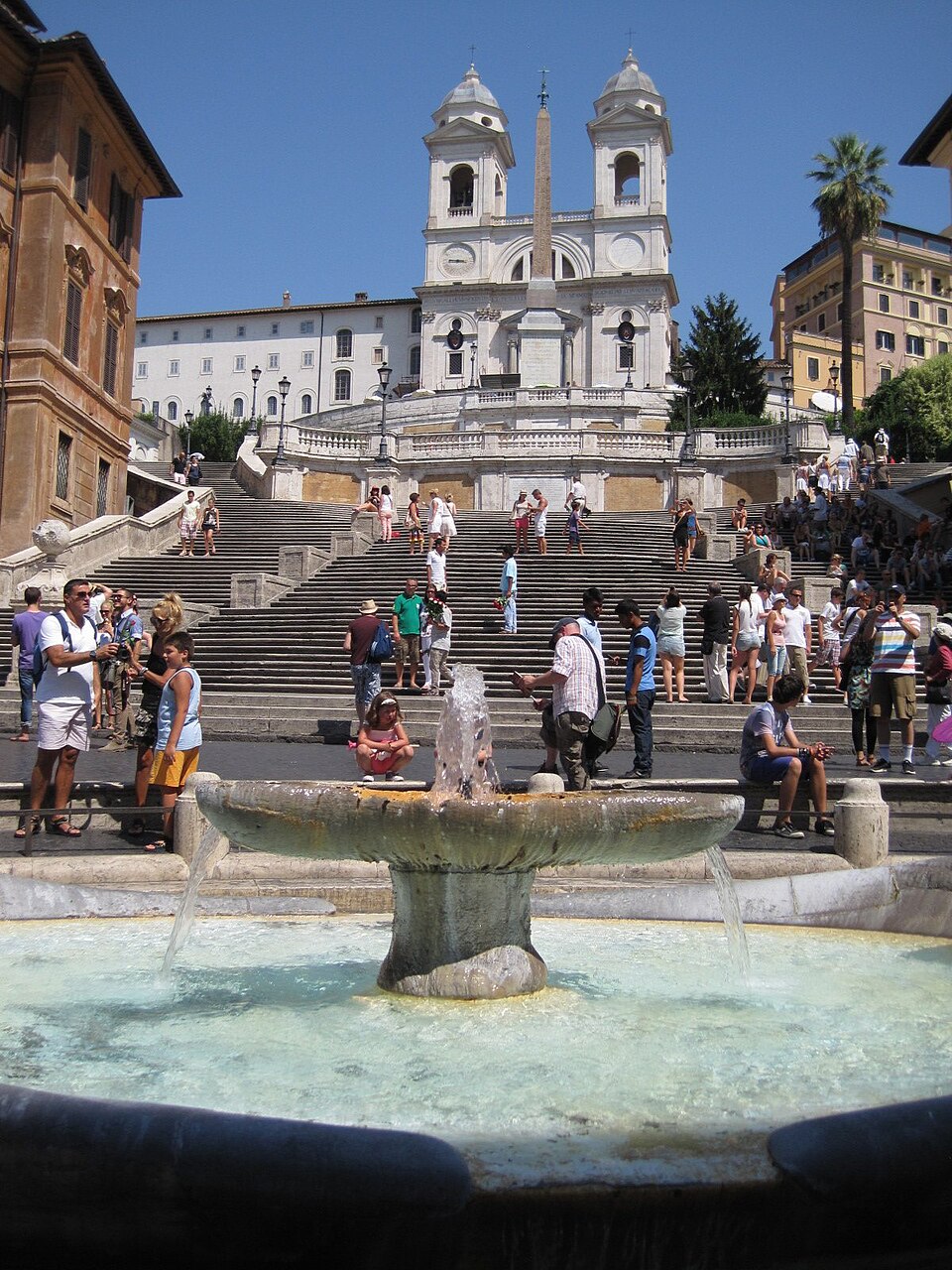
No. 07
A hundred and thirty-five steps of pure people-watching, rising from Bernini's sinking-boat fountain to the church of Trinità dei Monti. Keats lived and died in the pink house at the bottom — now a tiny, lovely museum.
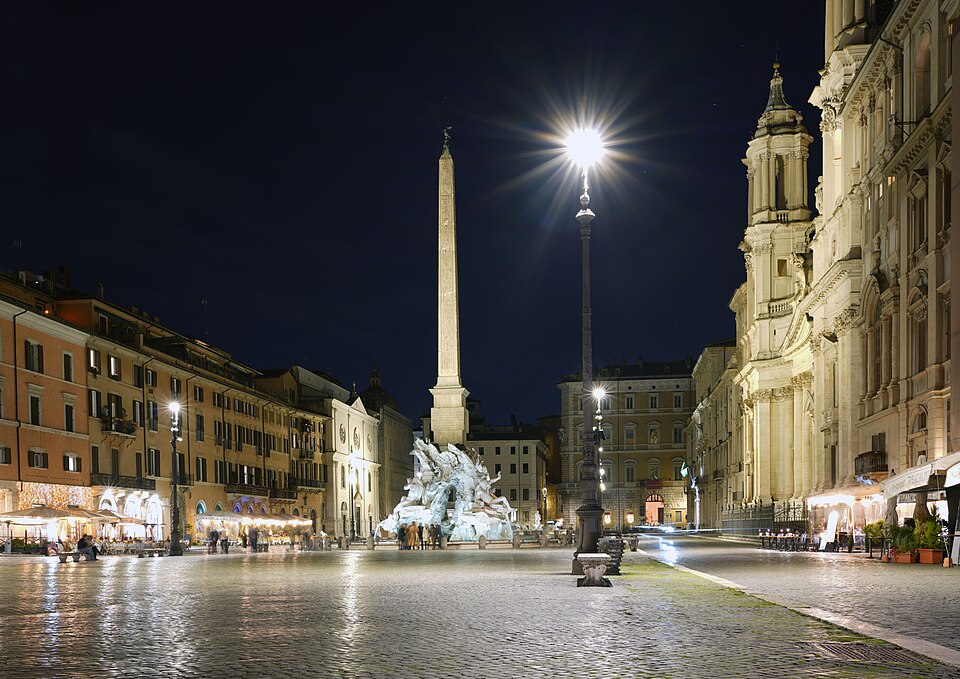
No. 08
An oval piazza because it sits on an ancient chariot stadium. Bernini's Fountain of the Four Rivers faces his rival Borromini's church — a 400-year-old architectural staring contest, best judged from a café table.
Part Two
The ones the locals keep to themselves. Slot these in between the big hitters — mostly free, mostly quiet, entirely Rome.
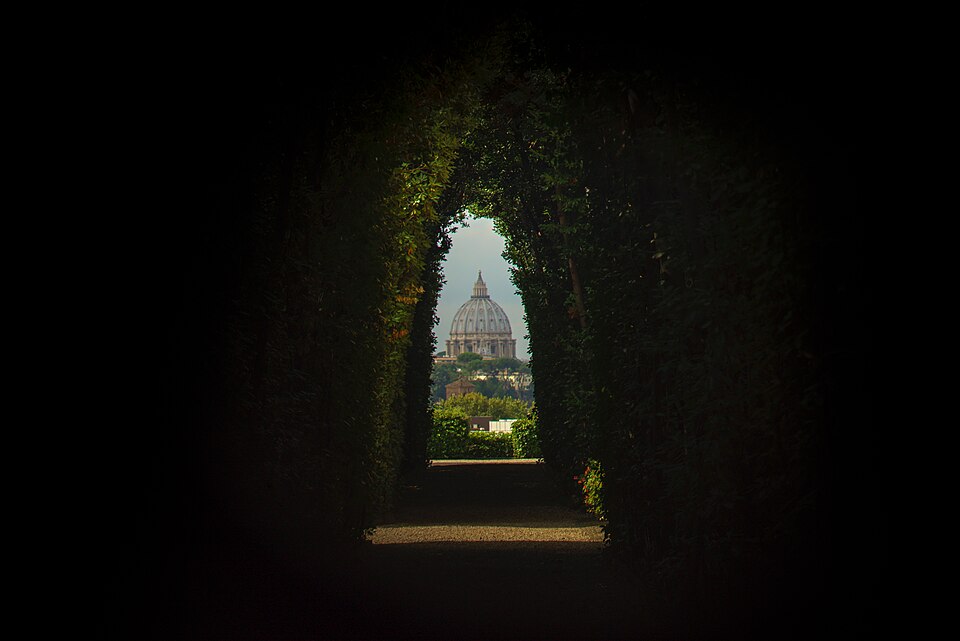
No. 01
On a quiet hilltop piazza stands a green door belonging to the Knights of Malta. Put your eye to the keyhole: St. Peter's dome, perfectly framed by garden hedges. No sign, no ticket — just a short queue of people grinning.
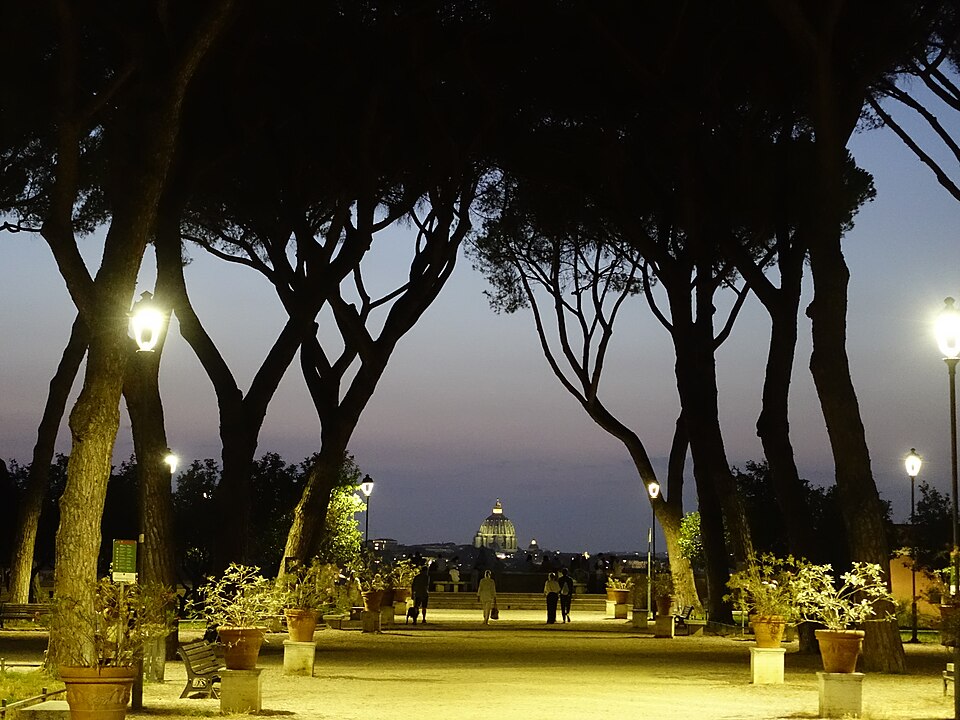
No. 02
Two minutes from the keyhole, a garden of orange trees ends in a stone terrace built for sunsets over the Tiber. Romans bring whoever they're trying to impress. Bring a snack, claim the parapet, stay till the bells.
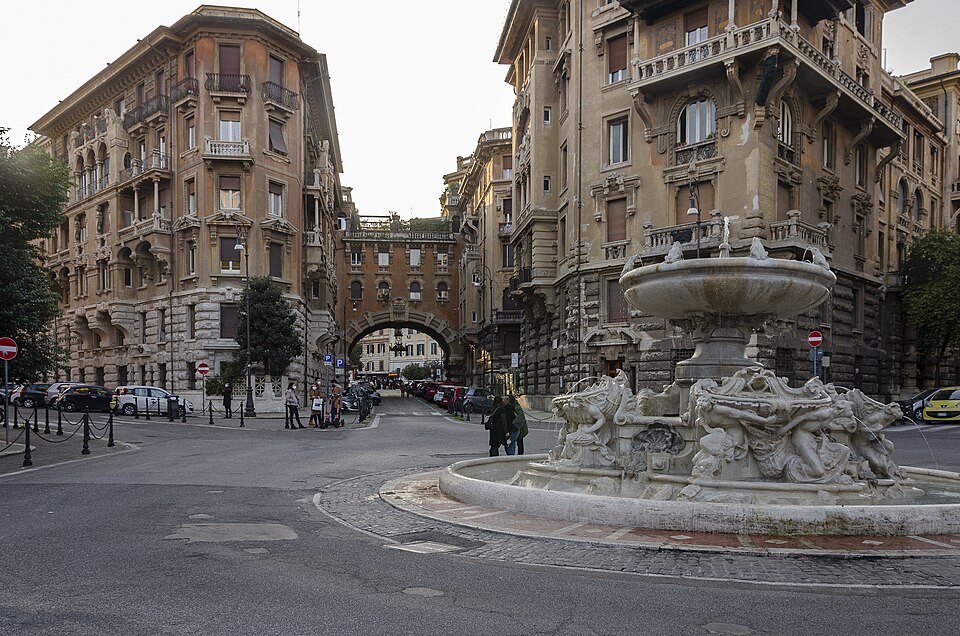
No. 03
A fairy-tale pocket of the Trieste district where one architect went gloriously off-script — Art Nouveau palaces, Moorish arches, a wrought-iron chandelier hanging over the street. Enter under the big arch and circle the Fountain of the Frogs.
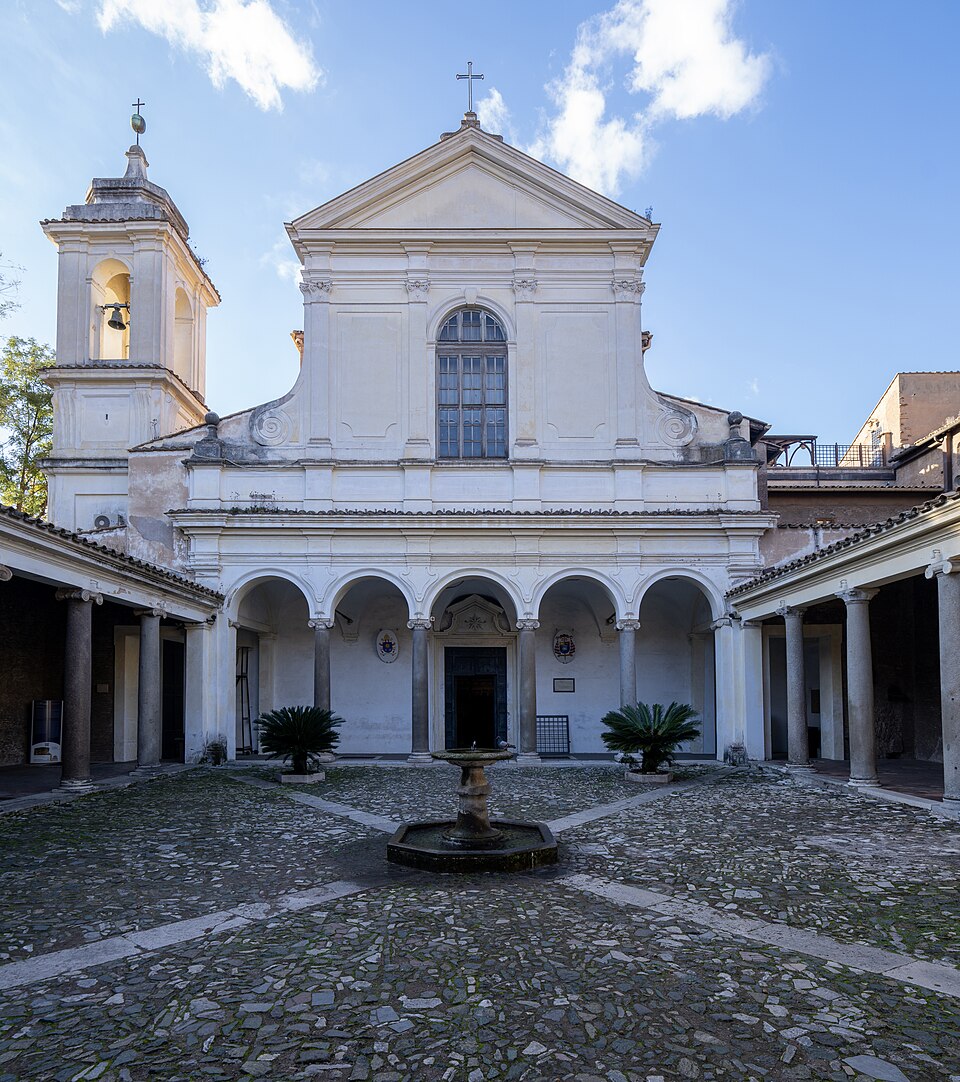
No. 04
Rome as lasagna: a 12th-century basilica sitting on a 4th-century church sitting on a 1st-century Roman alley with a temple to Mithras. Pay the few euros to descend all three layers — you can hear an underground river at the bottom.
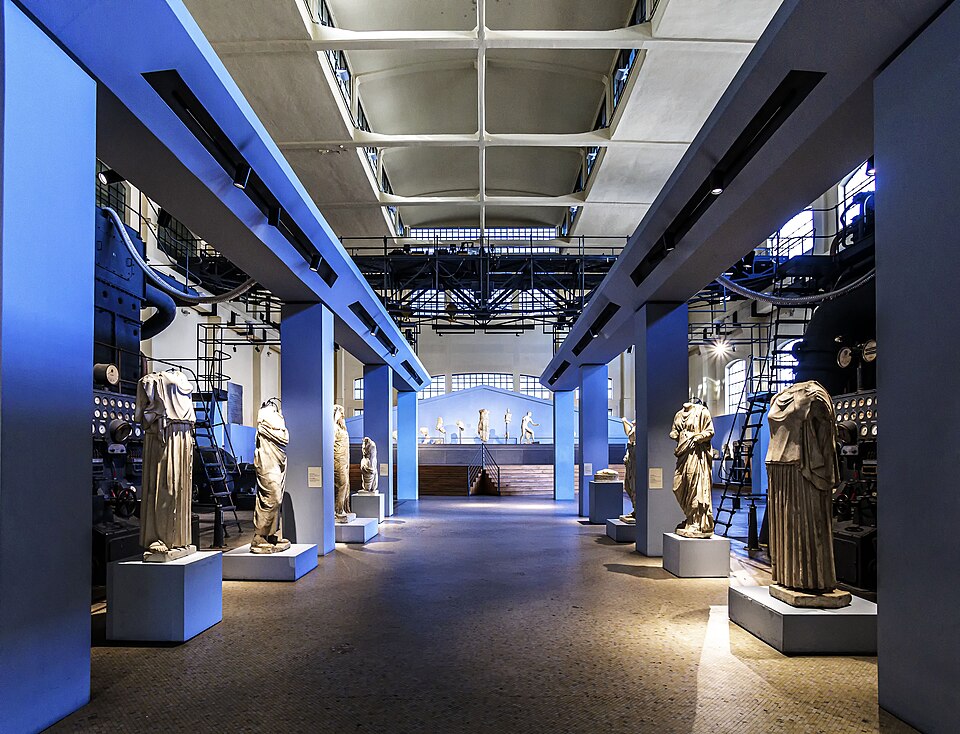
No. 05
Ancient marble gods posed against the turbines of Rome's first power station. It's the Capitoline Museums' overflow, so the statues are first-rate — and it is blissfully, impossibly uncrowded.
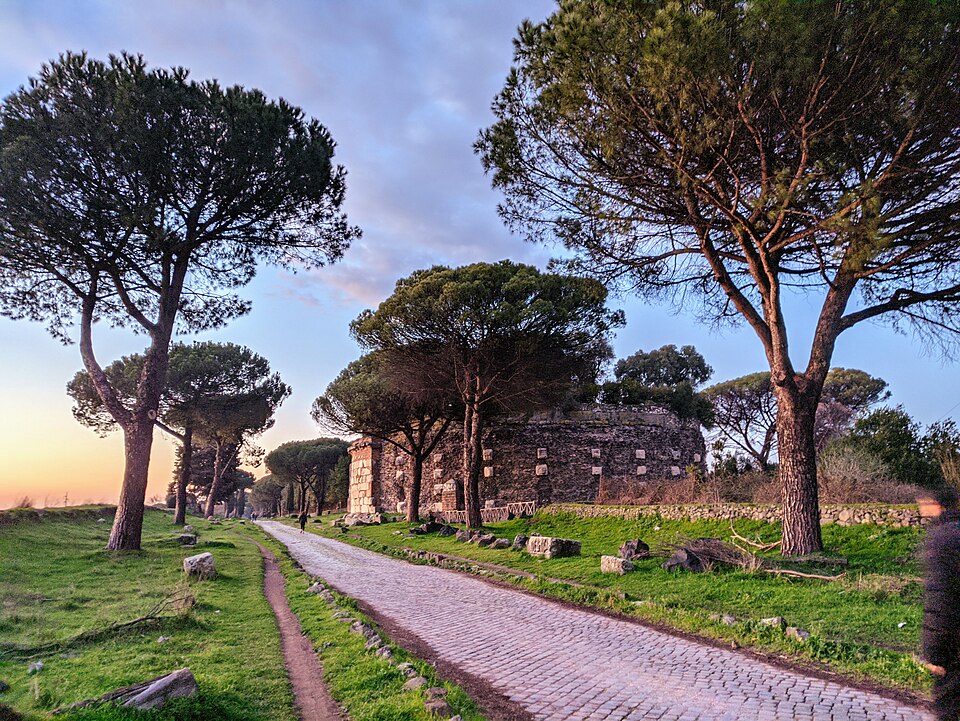
No. 06
The empire's first great highway, still paved with its original basalt stones. On Sundays it closes to cars — rent a bike at the park office, roll past tombs and aqueducts, and duck into the catacombs along the way.
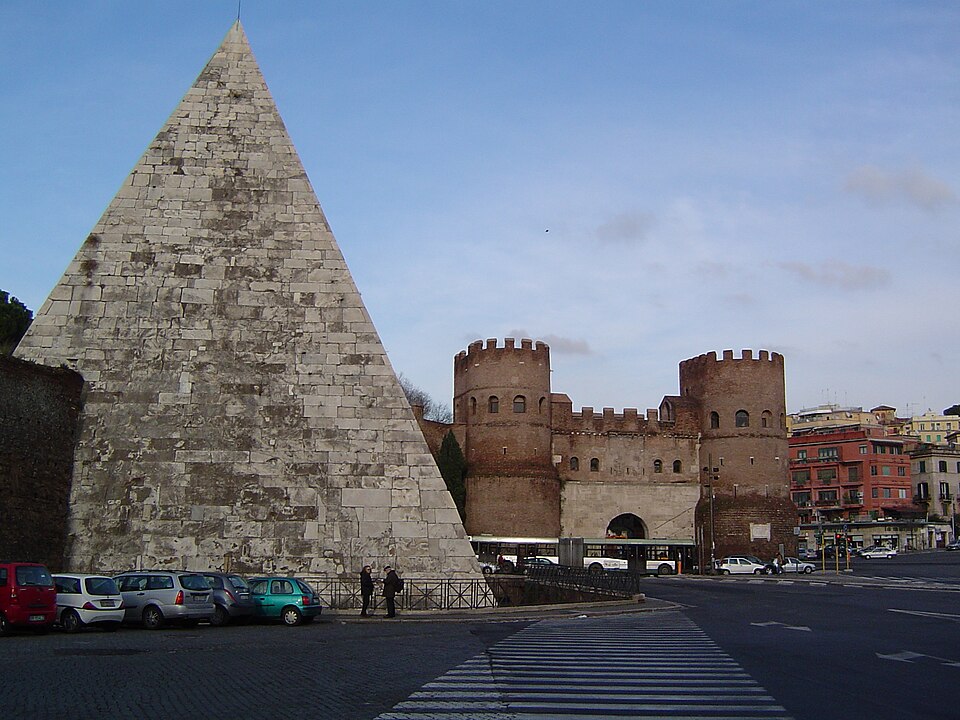
No. 07
The neighborhood with its own ancient pyramid at the gate — and where Romans actually eat. The covered market is street-food pilgrimage territory (find the trapizzino stall), and the district leans against a hill made of 53 million smashed ancient olive-oil jars. Order the cacio e pepe.
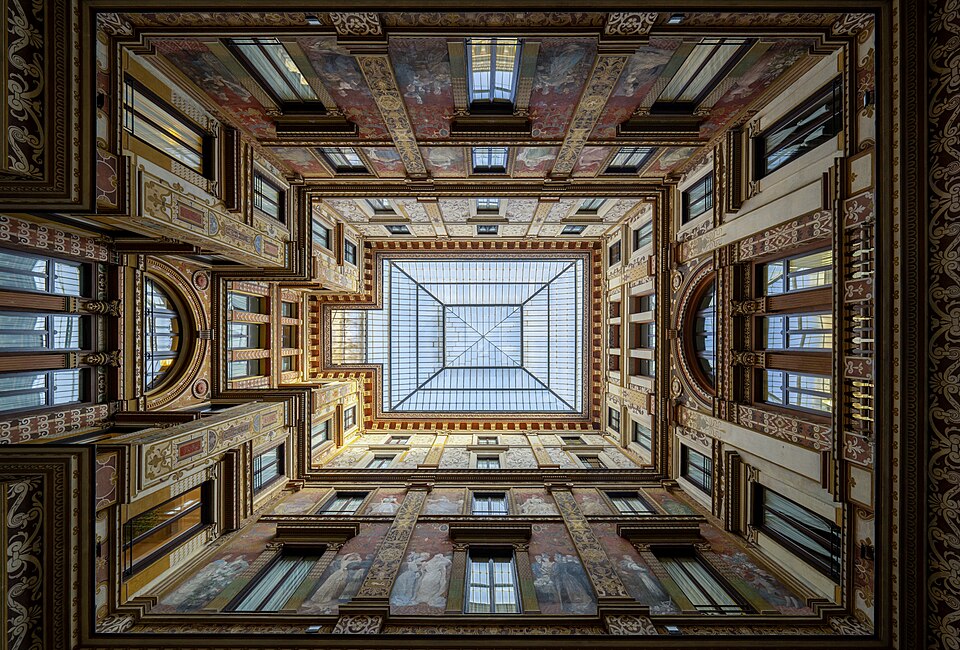
No. 08
Two blocks from the Trevi scrum, an office courtyard frescoed floor-to-skylight in Art Nouveau splendor. Office workers cut through it all day; tourists walk straight past the entrance. Free, and open on weekdays.
Before You Go